
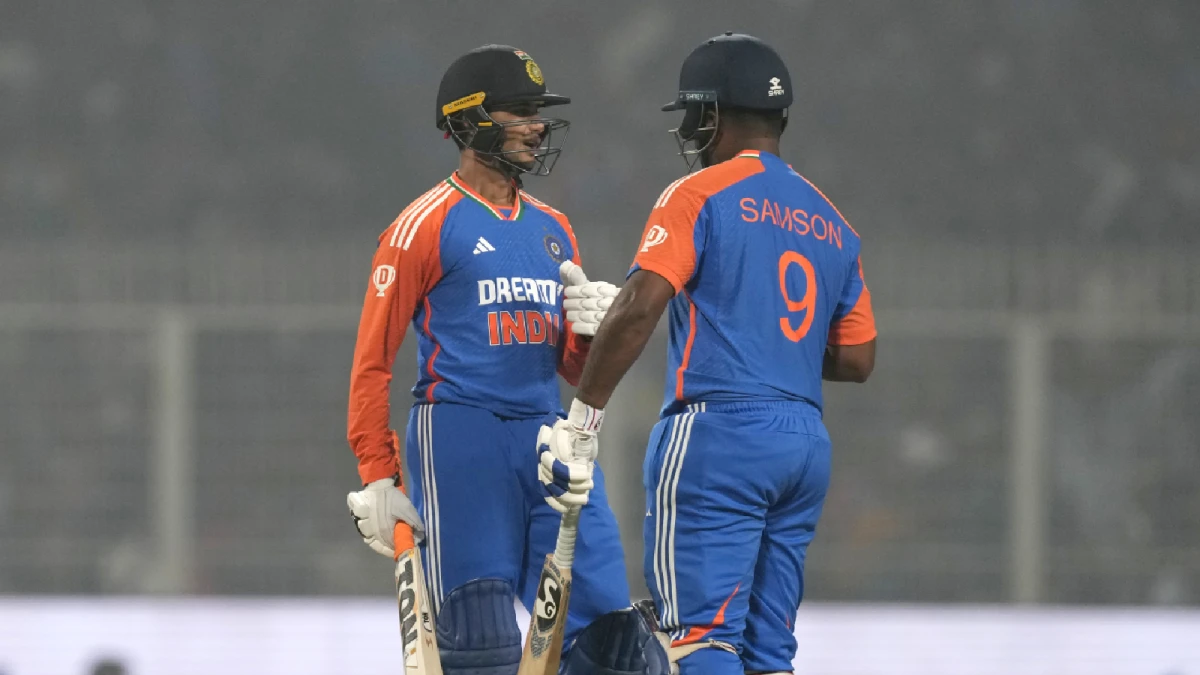
For a side that had just lifted the T20 World Cup, India’s trip to Belfast was supposed to be a low-key assignment against a developing Ireland outfit. Instead, it turned into a selection headache that nobody inside the camp seemed prepared for. Twice across the two-match series, the team management had the chance to blood Vaibhav Sooryavanshi, the 15-year-old who had spent the IPL season rewriting expectations of what a teenager could do with a cricket bat. Twice, they chose loyalty over youth, sticking with the proven opening combination of Sanju Samson and Abhishek Sharma. By the time the series ended, that call had blown up spectacularly.
A horror series for India’s first-choice openers
Whatever metric you use, the numbers from Belfast make for grim reading. Between them, Samson and Abhishek barely got going across the two games, managing only a combined total in the low fifties from four innings at the crease. Abhishek showed flashes of his usual aggression in the series opener before fading away completely in the second match, while Samson endured the kind of run every top-order batter dreads — back-to-back ducks, including a golden duck in the decider that left India staring at an immediate hole inside the powerplay.
The collapses were not isolated blips either. In both games, India’s chase fell apart inside the first five overs, with the middle order forced to do damage control far earlier than any team management would want. That pattern repeated itself with alarming consistency, and it ultimately cost India a series they were expected to win comfortably.
Why the team management held its nerve
What makes this episode worth dissecting is not just the result, but the thinking behind it. India’s leadership group, led by new captain Shreyas Iyer, made no secret of the fact that they viewed Sooryavanshi as a long-term project rather than a quick fix. Before a ball was bowled in the series, Iyer had already signalled where his trust lay, calling the teenager talented but stressing that the squad’s seasoned campaigners deserved first refusal.
That stance did not waver even after the series was lost. The coaching staff doubled down on the idea that experience earns priority, suggesting that no player who had fought hard for his place should be discarded on the back of one rough series. It is a defensible philosophy in theory, built on the idea that consistency over time matters more than reacting to short-term form. In practice, though, it left India looking stubborn at a moment when fans were crying out for fresh blood.
The bigger picture: a logjam at the top
The uncomfortable truth for India’s selectors is that this was never going to be a simple swap. Slotting Sooryavanshi straight into the XI would mean dropping not just one but potentially two batters who had been central to India’s World Cup-winning campaign months earlier. Samson, in particular, had been one of the standout performers of that triumph, which made benching him for an uncapped teenager a much harder call to justify publicly, regardless of how poor his Ireland series turned out to be.
That tension between rewarding past performance and embracing emerging talent is hardly unique to Indian cricket, but rarely has it played out so visibly and so badly within the space of a single series.
What comes next
With a five-match series against England looming, India’s team management now finds itself under far greater pressure to explain its selection logic than it was just a week ago. A heavier defeat or another sluggish start at the top could make the case for Sooryavanshi impossible to ignore, no matter how much faith the coaching staff has placed in its senior pros.
Vegas11 News will keep a close eye on the squad announcements and playing XI calls as the England series gets underway, particularly on whether this Ireland setback finally forces India’s hand on its most talked-about teenager.
Related News: Ireland Stun India 2-0 in T20Is, Jai Moondra Shines | India Face Must-Win Clash vs Bangladesh at T20 World Cup